Car Wash Kit for Washing at Home: What to Buy and What to Skip
- Type
- Buying guide
- Read
- 7 min
- Updated
- November 18, 2026
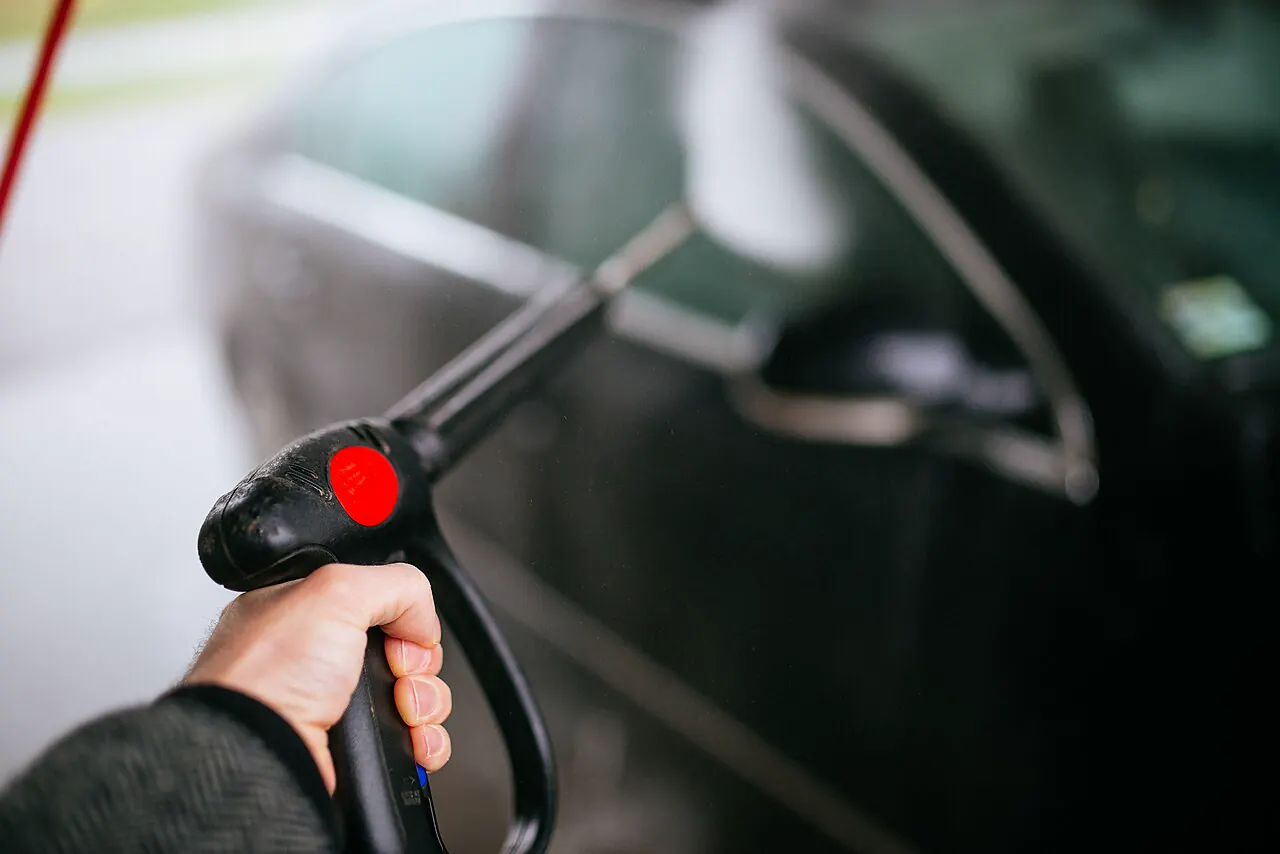
You need a soap made for car paint, two buckets, a microfiber wash mitt, a separate wheel brush and a large drying towel. Most scratches come from dragging grit across the paint, so the kit is built around keeping dirt out of the mitt.
Written for: Car owners who want to wash at home without scratching the paint
Where wash scratches come from
Fine scratches and swirl marks are mostly caused by the wash itself. One vehicle owner’s manual lists the usual causes: washing without first rinsing off dirt, using a rough, dry or dirty cloth, and using cleaners or wax that contain abrasives. It also notes that scratches show more on dark paint.
That gives a simple rule for shopping. Every item in the kit should either lift dirt away from the paint or keep the dirt you have removed from going back on.
The kit, item by item
| Item | What it does | What to look for | Skip or substitute |
|---|---|---|---|
| Car wash soap | Loosens dirt and lets the mitt glide | Labeled for automotive paint, pH-neutral, phosphate-free | Skip dish soap and household cleaners; strong detergents can dull or discolor paint |
| Two buckets | One holds soapy water, one holds rinse water for the mitt | Large enough for the mitt to be dunked and shaken | Any two clean buckets work; mark them so they do not swap |
| Grit insert for the bucket | A grid at the bottom that lets grit settle below the mitt | Sized to your bucket diameter | Optional, most useful in the rinse bucket |
| Wash mitt | Holds soapy water and pulls dirt into its pile | Microfiber or wool, deep pile, snug cuff | Skip flat sponges and old T-shirts, which press grit against the paint |
| Wheel brush and separate mitt | Cleans brake dust and road film | Soft bristles, no exposed metal; a size that reaches between spokes | Never reuse wheel tools on paint |
| Drying towel | Removes water before it leaves spots | Large plush or waffle-weave microfiber, soft or edgeless border | Skip bath towels and stiff chamois |
| Hose nozzle | Rinses with controlled flow | Adjustable spray with a shut-off trigger | A pressure washer is optional, not required |
A washing order that protects the paint
- Park in the shade Soap and water dry fast on hot panels and leave spots. Let the paint cool first.
- Rinse the whole car Flush loose dirt off from the roof down before anything touches the paint.
- Do the wheels with their own tools Wheels carry the grittiest dirt. Keep their brush, mitt and bucket water away from the body.
- Wash top to bottom, one panel at a time Load the mitt with soapy water, wipe in straight lines with light pressure, then rinse the mitt in the second bucket before reloading.
- Leave the lower panels for last The sills and the area behind the wheels are the dirtiest. Washing them last keeps that grit off the hood and roof.
- Rinse and dry Rinse off all soap, then lay the drying towel flat and draw it across the panel. Use a second towel when the first is soaked.
Where the water goes
Water that runs down a driveway into a storm drain can carry soap and dirt to a stream or lake. The US EPA suggests using a commercial car wash, which is required to dispose of its wastewater properly. If you wash at home, EPA’s advice is to wash on grass or gravel instead of concrete or asphalt, use nontoxic, phosphate-free soap sparingly, use a spray nozzle to limit flow, and empty the buckets into a sink or toilet. Some cities restrict driveway washing, so check local rules.
Rinseless and waterless products
A rinseless wash is a concentrate you mix in one bucket and wipe on with several towels, with no hose rinse afterward. It suits apartment parking and water restrictions. It is meant for light dust and road film. A car coated in mud, sand or winter salt should be rinsed with running water first, because wiping heavy grit is how scratches happen.
Caring for microfiber
- Wash microfiber separately from cotton, which sheds lint that sticks to the fibers.
- Skip fabric softener and dryer sheets. They coat the fibers and reduce absorbency.
- Use low heat or air dry. High heat can harden the fibers.
- Keep paint towels, glass towels and wheel towels in separate stacks. Different colors make this easy.
Questions people ask
Can I use dish soap to wash my car?
It is made to cut grease and can strip wax, and owner’s manuals warn that strong detergents may discolor or deteriorate paint. Use a soap labeled for automotive paint.
Do I really need two buckets?
The second bucket is where the mitt drops its grit before it goes back into the soap. It is the cheapest way to keep dirt off the paint.
How often should I wash the car?
One owner’s manual recommends at least once a month, and promptly after road salt, bird droppings, tree sap or insects, which can damage the finish if left on.
Is a rinseless wash safe on a very dirty car?
It is intended for light dirt. Rinse heavy mud, sand or salt off with running water before any towel touches the paint.
Sources
This guide is research-based: it draws on manuals, published specifications and safety guidance, not on hands-on testing.As an Amazon Associate we earn from qualifying purchases. Links to Amazon are paid links; they cost you nothing extra. Affiliate disclosure