How to Choose Car Floor Mats That Fit and Stay Put
- Type
- Compatibility guide
- Read
- 7 min
- Updated
- November 18, 2026
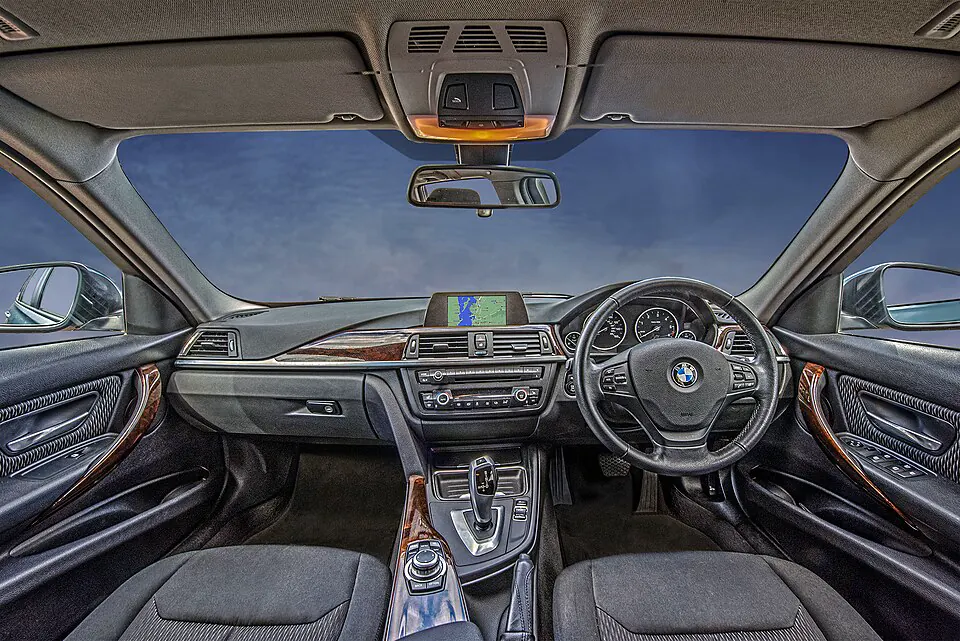
Buy mats shaped for your exact make, model and year, with holes or clips that lock onto the car’s own floor anchors on the driver’s side. Take the old driver mat out before the new one goes in, and never stack two.
Written for: Car owners replacing worn carpet mats or adding all-weather mats before winter
Why fit matters more than material
A floor mat has one job that matters for safety: the driver’s mat has to stay exactly where it is. NHTSA warns that improperly installed floor mats can interfere with the accelerator or brake pedal, and tells drivers to use mats that are the correct size and fit for the vehicle and to secure them with the retention clips.
So the first question is not rubber or carpet. It is whether the mat is cut for your footwell and whether it locks to the anchors your car already has.
Find your car’s floor anchors first
Lift the driver’s mat and look at the carpet underneath. Most cars have one or two retention points near the seat side of the footwell. They come in a few styles: an upright post, a hook that passes through a hole in the mat, or a twist-lock button. Some cars have anchors on the passenger side too. Rear footwells usually have none.
A replacement mat should have reinforced holes (grommets) in the same places, or come with fasteners made for your anchor style. If a listing does not say how the driver’s mat is held, treat that as missing information and keep looking.
Custom-fit, semi-custom or trim-to-fit
| Fit type | How it fits | Good for | Watch out for |
|---|---|---|---|
| Custom-fit (vehicle-specific) | Shaped for one make, model and year range; holes line up with the factory anchors | Daily drivers, anyone who wants the mat to lock in place | Fit can change with model year, body style, drive type and seat layout; match every detail in the fit list |
| Custom-fit floor liner with raised walls | Molded tray that follows the footwell and climbs the sides | Snow, mud, sand, spilled drinks | Stiffer and bulkier; confirm it clears the pedals and the dead pedal |
| Semi-custom | A few sizes sold by vehicle class | Rear rows and passenger side | May not reach the anchors on the driver’s side |
| Trim-to-fit (universal) | You cut along molded lines with scissors | Rear footwells, older cars with no listed fit | Usually relies on nibs underneath instead of the anchors; a poor choice for the driver’s side |
Rubber, thermoplastic or carpet
- Rubber: heavy, flexible and grippy. Deep channels hold water. Can have a smell when new.
- Thermoplastic liners: thinner and stiffer, hold their shape, and the raised edge keeps meltwater off the carpet. Lighter than rubber.
- Carpet: quieter and closer to the factory look. Soaks up water, so it suits dry climates or drivers who swap mats by season.
- Whatever the material, look for a raised heel pad or thicker area under the driver’s right heel. That is where mats wear through first.
How to install and check a driver’s mat
- Remove the old mat Unhook it from the anchors and take it out of the car. Vacuum the carpet so the new mat sits flat.
- Check the side and the label Mats are shaped for one position. Many have the position molded on the underside. The driver’s mat is the one with the pedal cutout.
- Hook it onto the anchors Set each grommet over its post or hook and press or twist until it locks, as your owner’s manual describes.
- Press each pedal by hand With the engine off, push the accelerator, brake and clutch through their full travel. Nothing should touch the mat or its raised edge.
- Slide the seat Move the seat fully forward and back. The mat should not ride up or pull off its anchors.
- Recheck after cleaning Every time the mat comes out for washing, hook it back on and repeat the pedal check.
Cargo liners use the same logic
A cargo liner should match the floor with the seats up, and you should know what happens when the seats fold. Check that it does not cover tie-down hooks you use, the latch for the under-floor compartment or the access panel for the spare tire.
Questions people ask
Can I put rubber mats over my carpet mats?
Not on the driver’s side. The anchors hold one mat only, and a stacked mat can slide into the pedals. Remove the carpet mat, then fit the rubber one to the anchors.
Do universal mats work?
They can work in rear footwells and on the passenger side. For the driver’s side, choose a mat that locks to your car’s own anchors.
My car has no anchors. What then?
Some older cars have none. Choose a vehicle-specific mat with a gripping underside, check pedal clearance by hand, and look at the owner’s manual for what the maker recommends.
How do I know a mat fits my model year?
Match the make, model, year, body style and seat layout against the mat maker’s fit list. A mid-generation refresh can change the floor shape and the anchor positions.
Sources
This guide is research-based: it draws on manuals, published specifications and safety guidance, not on hands-on testing.As an Amazon Associate we earn from qualifying purchases. Links to Amazon are paid links; they cost you nothing extra. Affiliate disclosure