Car Electronics
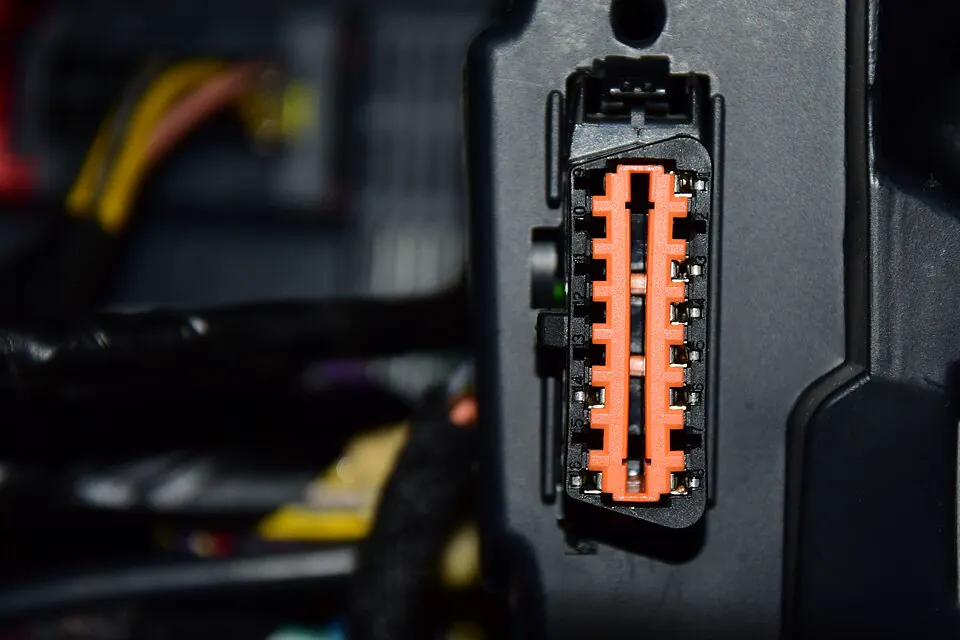
Car electronics depend on what the car provides: the OBD-II port, the 12 V socket, fuse-box circuits and USB ports. We explain which features need which connection. We also note when a feature works only on some makes.
- On the car
- OBD-II port, Windshield
- Product types
- 4
- Guides
- 1
What to compare in car electronics
The specs that decide whether a product fits, and the limit people tend to miss.
OBD2 diagnostic scanner
- Corded handheld or Bluetooth/Wi-Fi dongle with a phone app
- Generic engine codes only, or extra systems such as ABS, airbag and transmission
- Live data, freeze frame and emissions readiness display
- Make coverage and whether app features need a subscription
Watch for: Codes outside the engine and emissions system are manufacturer-specific, so "ABS and SRS" support may not cover your make or year.
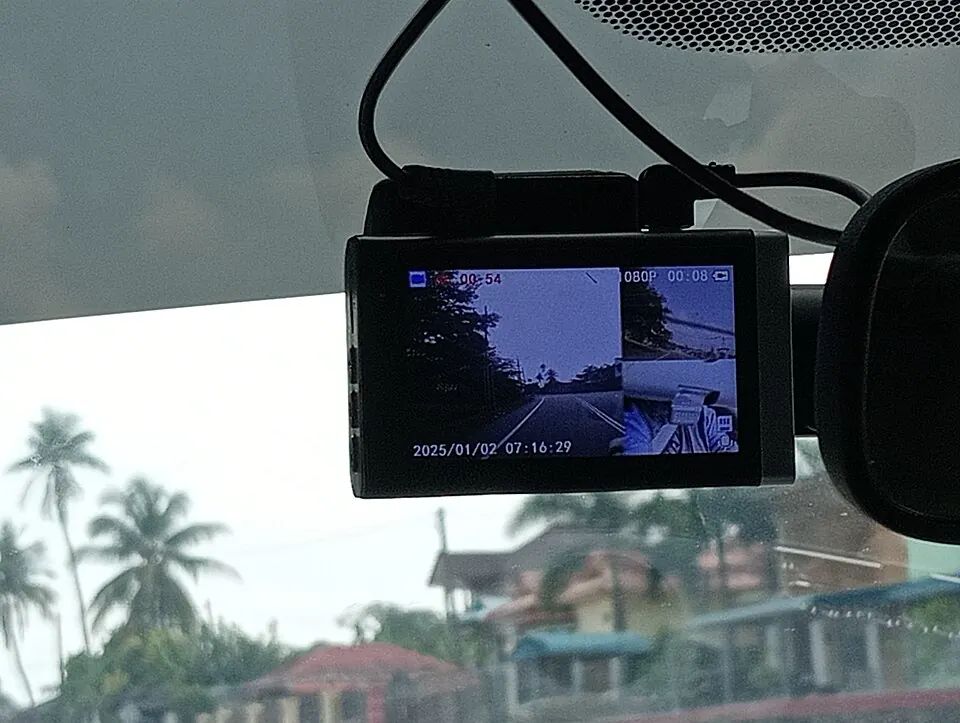
Dash cam
- Front only, front and rear, or front plus cabin
- Power: 12 V socket plug, hardwire kit to the fuse box, or OBD-II power cable
- Parking mode and low-voltage cutoff to protect the battery
- Heat tolerance: supercapacitor or battery, and memory card type
Watch for: Parking mode needs constant power, which means hardwiring or an OBD-II cable; without a voltage cutoff it can drain a small battery.
USB and 12 V chargers
- Port types (USB-C, USB-A) and total wattage shared across ports
- Fast-charging standards your phone or laptop supports
- Whether the socket is live with the ignition off
- Fit in a recessed or lidded socket
Watch for: Car 12 V sockets are usually fused at 10 to 15 A, so high-watt laptop chargers and inverters can blow the fuse.
Portable power inverter
- Continuous and surge wattage
- 12 V socket plug or direct battery clamps
- Pure sine wave or modified sine wave output
- Low-voltage shutoff and cooling fan
Watch for: Most socket-plug inverters are limited to roughly 150 W by the socket fuse; anything larger needs battery clamps and the engine running.