OBD2 Scanner Features Explained for Beginners
- Type
- Explainer
- Read
- 8 min
- Updated
- November 17, 2026
Any US car or light truck from model year 1996 on has an OBD-II port, and a basic scanner reads and clears its engine and emissions codes. Pay for extras like ABS, airbag or live-data graphing only if you will use them on your make.
Written for: New drivers and car owners who see a check-engine light and want to know what it means
What OBD-II is
OBD-II stands for on-board diagnostics, second generation. The car’s computers watch the engine and emissions systems. When something falls outside its normal range, they store a diagnostic trouble code (DTC) and may turn on the check-engine light.
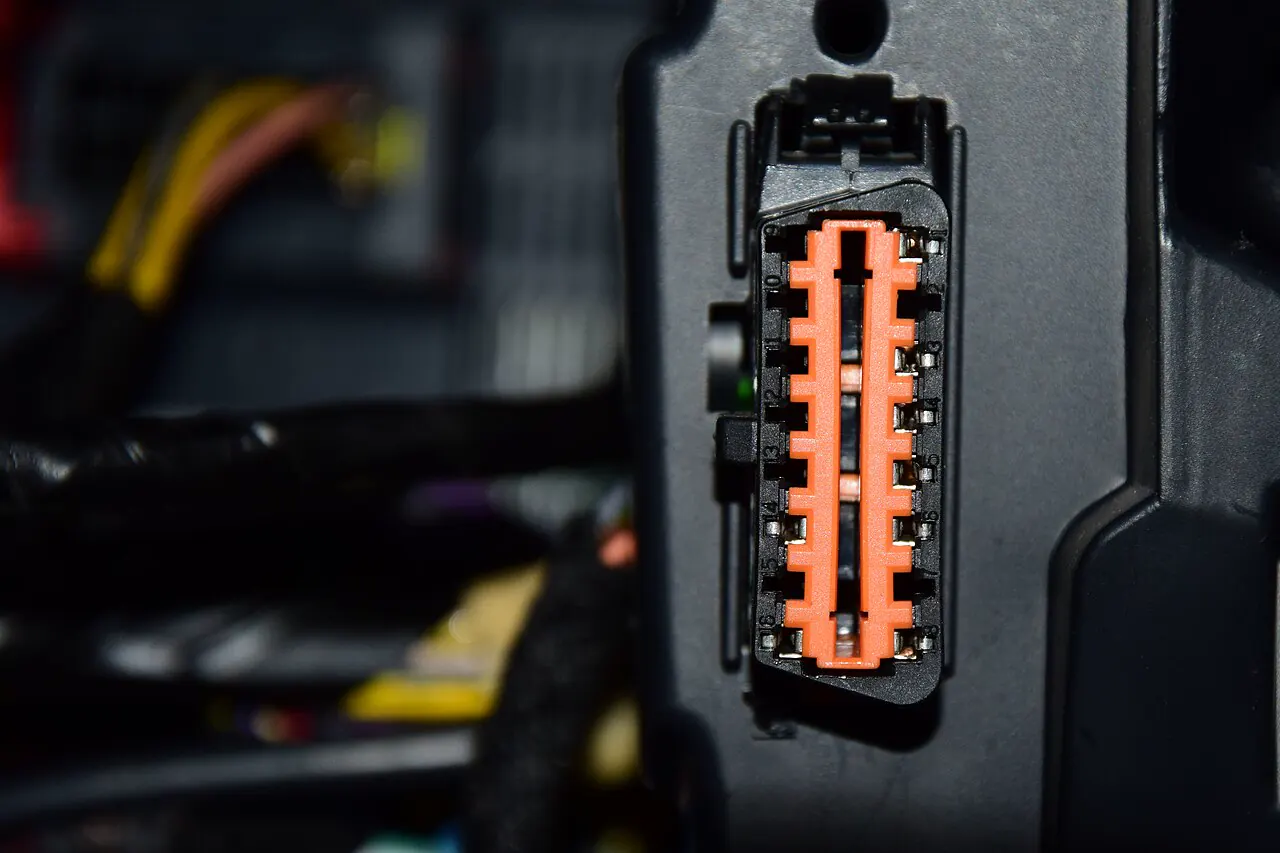
The connector is a standard 16-pin port, usually under the dashboard on the driver’s side, within reach of the driver’s seat. A scanner plugs into it and asks the car for that information.
Will it work with my car?
| Vehicle | OBD-II port? | What a generic scanner reads |
|---|---|---|
| Gas cars and light trucks, model year 1996 and newer | Yes, required | Engine and emissions codes, readiness, basic live data |
| Light-duty diesels, model year 1997 and newer | Yes | Engine and emissions data; extra systems vary by make |
| Cars from 2008 on | Yes, using the CAN protocol | Same, usually faster; check older scanners list CAN |
| Cars built before 1996 | Usually no (older OBD-I systems) | Needs a make-specific tool or adapter |
| Fully electric vehicles | Port may be present | Generic emissions data does not apply; support varies widely |
The features, one by one
Read and clear codes
Every scanner does this. Codes look like P0420: a letter for the system (P powertrain, B body, C chassis, U network) and four characters. Codes beginning with P0 are generic, the same meaning on every make. Codes like P1xxx are manufacturer-specific, and a basic tool may show the number without a description.
Freeze frame
A snapshot of conditions when the code was set: engine speed, temperature, load, vehicle speed. It helps you or a mechanic see whether the fault happened cold, at highway speed or at idle.
Readiness (I/M) monitors
These show whether the car has finished its self-tests. Inspection stations in many states check them. After a battery disconnect or code clearing they reset to "not ready" and need some normal driving to complete.
Live data
Real-time sensor readings such as coolant temperature, fuel trims and oxygen sensor voltage. Useful once you know what normal looks like. Graphing makes trends easier to spot.
Extra systems: ABS, airbag (SRS), transmission
These are outside the generic standard, so coverage depends on the scanner’s make-by-make support. Check the tool’s compatibility list for your exact make, model and year before paying more for it.
Service and bidirectional functions
Some tools can reset oil-life reminders, retract electric parking brakes for pad changes or command a component to run. These are advanced and make-specific. Use them only with the procedure in your service information.
Handheld or Bluetooth dongle?
- Corded handheld: no phone needed, works right away, simple screen.
- Bluetooth or Wi-Fi dongle: small plug, uses a phone app, often better graphs. Some features may need an in-app subscription.
- A dongle left plugged in draws a small current. On a car parked for weeks, unplug it.
What a code does and does not tell you
A code names the symptom the computer detected, not always the failed part. An oxygen-sensor code can come from a vacuum leak or an exhaust leak. Use the code as a starting point, look up the freeze frame and check simple causes first, such as a loose fuel cap for evaporative-system codes.
Questions people ask
Is my car OBD-II compatible?
If it is a gas car or light truck sold in the US from model year 1996 on, yes. Look under the driver’s side of the dashboard for a 16-pin trapezoid connector.
Can a scanner damage my car?
Reading codes and data is passive. Advanced functions that command components or change settings should be used only with the correct procedure.
Will clearing a code turn the light off for good?
Only if the problem is gone. If the fault is still there, the code returns once the car re-runs that test.
Do I need a scanner that reads ABS and airbag codes?
Only if you plan to work on those systems and the tool lists support for your make, model and year. A basic reader covers the check-engine light.
Sources
This guide is research-based: it draws on manuals, published specifications and safety guidance, not on hands-on testing. If we link to a retailer, we may earn a commission at no cost to you. Affiliate disclosure