Roadside Emergency Kit Checklist: Build or Buy
- Type
- Checklist
- Read
- 7 min
- Updated
- November 18, 2026
A pre-made kit is a fair starting point, but check the jumper cables, the warning devices and the first-aid contents, then add what kits leave out: water, a phone charger, a blanket and tire supplies that match your car.
Written for: Commuters and road-trippers putting together a kit for the trunk
What the official lists agree on
Three US government sources publish car kit lists: Ready.gov, NHTSA and the National Weather Service. They overlap heavily. All three include jumper cables, a phone charger and a blanket, and each lists a flashlight, flares or other warning devices. All three also list sand or cat litter for traction and an ice scraper, and the two winter lists add a shovel.
That overlap is a useful core. Build the kit around it and adjust for your car, your climate and how far you drive from help.
Build your own or buy a pre-made kit
| Item | What to check in a pre-made kit | If it falls short |
|---|---|---|
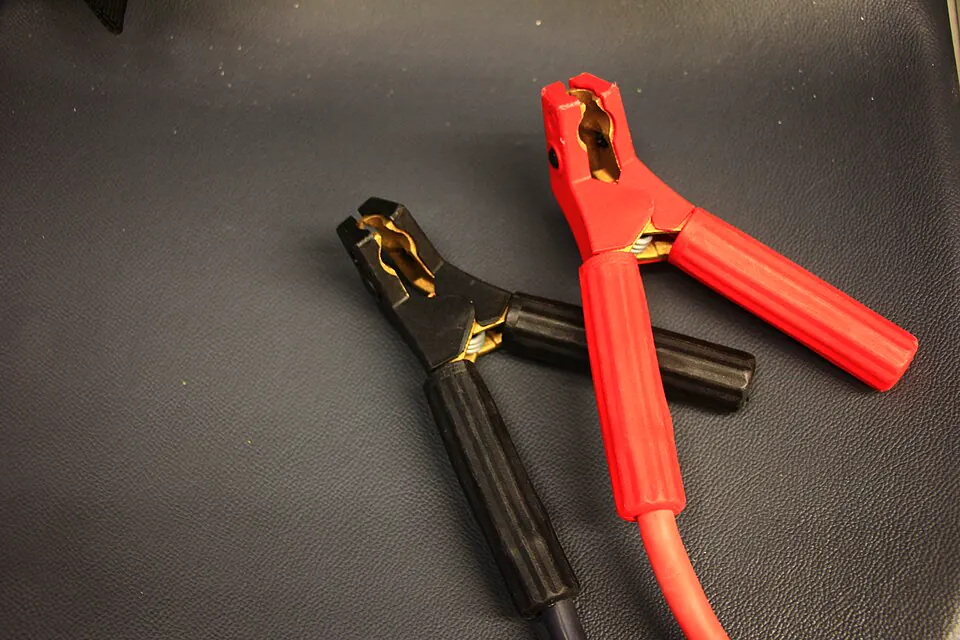
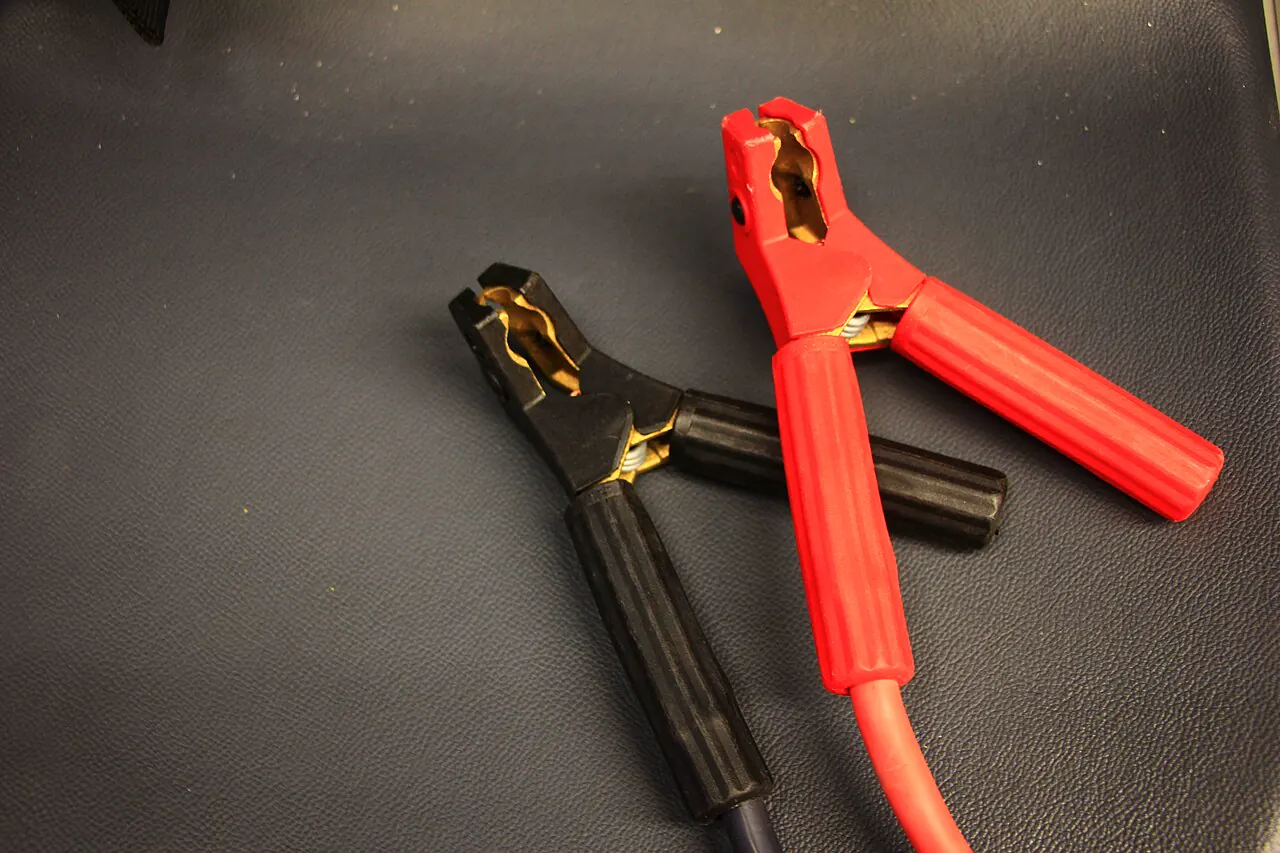
| Jumper cables | Length long enough to reach between two cars parked nose to nose or side by side; wire gauge stated; solid clamps | Buy cables separately, or carry a portable jump starter |
| Warning devices | Reflective triangles that stand on their own, or LED flares; batteries included or not | Add a set of triangles and a reflective vest |
| Flashlight | Battery type and whether batteries are included | Add a headlamp so both hands are free |
| First-aid kit | An itemized contents list, not just a piece count | Add a separate first-aid kit and your own medicines |
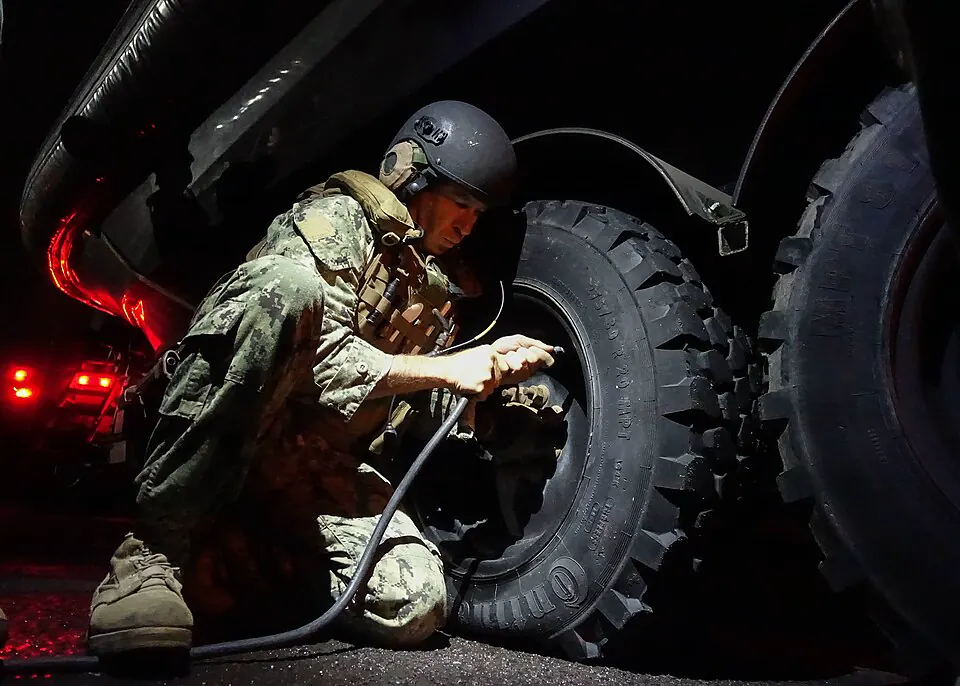
| Tire items | Whether they match your car: spare, sealant kit or run-flat tires | Add a tire pressure gauge and a 12 V inflator |
| Tools and gloves | Work gloves, basic multi-tool, tape | Add what your car needs, such as the wheel-lock key |
| Bag | Closes fully and can be strapped down | Use a lidded bin or trunk organizer |
The checklist
Year-round roadside kit
0 of 13 packedWinter additions
0 of 7 packedJumper cables or a jump starter
Cables need a second car and enough room to park it close. A jump starter works alone, but only if it is charged and suited to your engine. If you carry cables, thicker wire carries starting current with less loss. Wire gauge numbers run backward, so a lower number means thicker wire. Longer cables make awkward parking positions workable.
Where to keep it
- Keep the kit in one bag or bin, strapped or wedged so it cannot fly forward in a hard stop.
- Keep the vest, flashlight and triangles where you can reach them without unloading luggage.
- Water and food are better in the cabin than in a trunk that freezes or bakes.
- Lithium jump starters and power banks have storage temperature limits; the US Fire Administration advises against keeping lithium-ion batteries in hot cars.
Keep it current
A kit goes out of date quietly. Twice a year, recharge the jump starter, replace flashlight batteries, check the dates on sealant, medicines, food and water, and move the winter items in or out. Before a long winter trip, let someone know your timetable and route, as the National Weather Service recommends.
Questions people ask
Is a pre-made roadside kit worth buying?
It saves time, and the bag is handy. Judge it by the cables, the warning devices and the first-aid list. Expect to add water, a blanket, a charger and tire items yourself.
Triangles or flares?
Reflective triangles and LED flares are reusable and have no flame. Flame flares are bright and burn for a limited time, and they are a fire hazard near fuel or dry vegetation. Ready.gov lists either flares or a reflective triangle.
What should I add for winter?
An ice scraper, a shovel, sand or cat litter for traction and extra blankets. NHTSA and the National Weather Service both list these, and the Weather Service adds extra clothing to keep dry.
Do I need a spare tire if my car came with a sealant kit?
Not necessarily, but know the limits. Sealant is for small tread punctures, not sidewall damage, and the bottle has an expiry date. Your owner’s manual explains what the kit can handle.
Sources
This guide is research-based: it draws on manuals, published specifications and safety guidance, not on hands-on testing.As an Amazon Associate we earn from qualifying purchases. Links to Amazon are paid links; they cost you nothing extra. Affiliate disclosure