How to Choose a Portable Jump Starter
- Type
- Buying guide
- Read
- 8 min
- Updated
- November 17, 2026

Choose by the engine size and fuel type the maker says it supports, with a margin for cold weather and diesels. Treat peak amps as marketing; look for cranking amps, safety protections and a storage temperature range that suits where you keep it.
Written for: Car owners who want to start a dead battery without waiting for another car
What a jump starter does
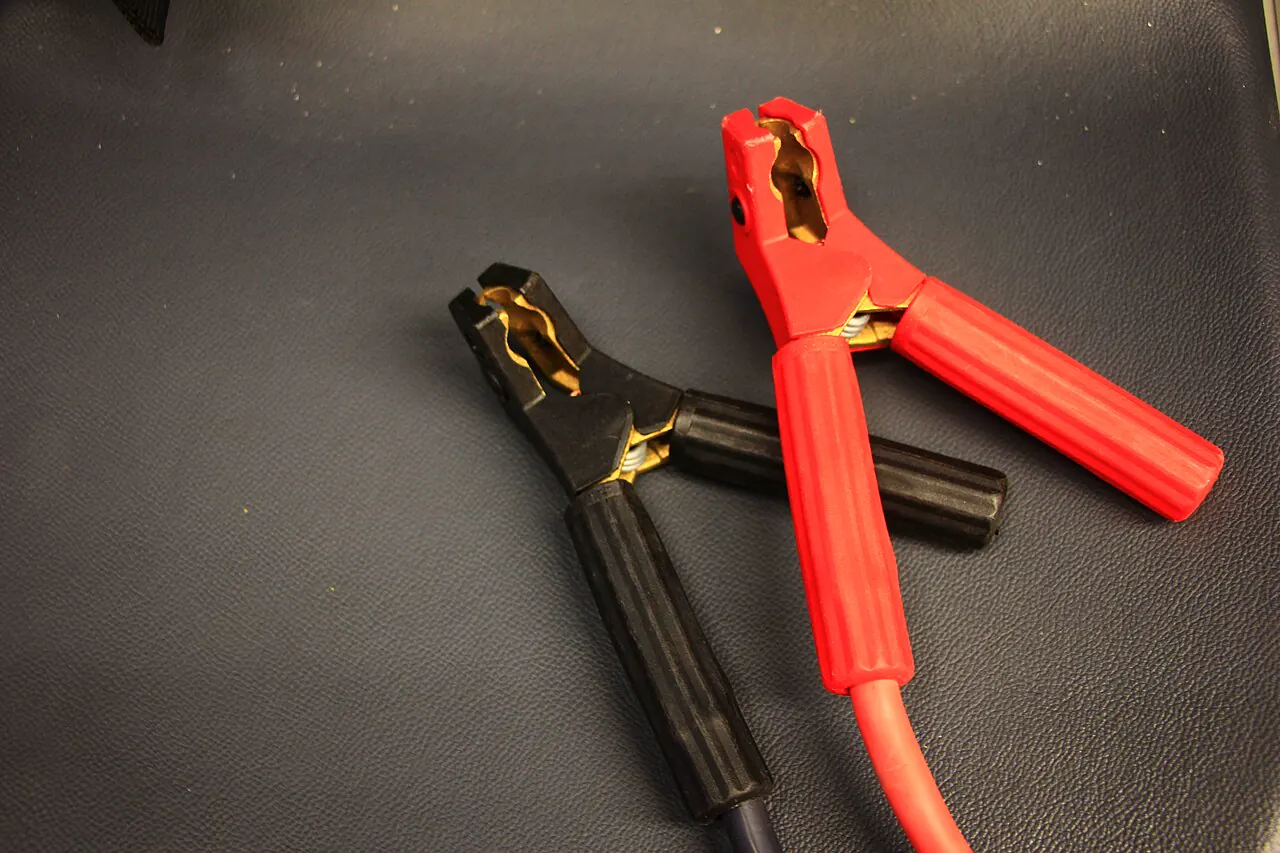
A portable jump starter is a battery pack with clamps. It delivers a short burst of current to help a weak car battery crank the engine. It does not recharge your battery; the car’s alternator does that once it runs.
Match it to your engine and fuel
Bigger engines need more current to crank. Diesels need much more than gas engines of the same size, because of higher compression and glow plugs. Cold weather raises the demand further and lowers what any battery can deliver.
| Your vehicle | What to look for in the listing | Margin to add |
|---|---|---|
| Small car, 4-cylinder gas | Rated for at least your engine size, gas | A step up if you live where winters are cold |
| Midsize car or SUV, V6 gas | Rated for at least your engine size, gas | A step up for cold climates or an older battery |
| Pickup or large SUV, V8 gas | Rated for gas engines at or above your displacement | Clear margin; these crank harder |
| Any diesel | A separate diesel rating that covers your displacement | Do not rely on the gas rating |
| Hybrid | Check the owner’s manual first | Many hybrids jump from a specific terminal, not the 12 V battery directly |
Peak amps vs cranking amps
Most packaging leads with peak amps. Peak amps is the maximum current for an instant, and there is no single standard method for rating it, so numbers from different makers are hard to compare.
Cranking amps (CA) or cold-cranking amps (CCA), when listed, describe current held over several seconds at a set temperature. That is closer to what starting takes. The maker’s stated engine size and fuel type is often the most practical guide.
Safety features to look for
- Reverse-polarity protection: the pack stays off if the clamps are on the wrong terminals.
- Spark-proof clamps: no current until the pack confirms a correct connection.
- Short-circuit, over-current and over-temperature protection.
- Boost or override mode: forces output when the car battery is too flat for the pack to detect. Use it only as the manual describes.
- Clamps sized for your terminals, with cables long enough to reach them.
Lithium safety and storage temperature
Most compact jump starters use lithium-ion or lithium-iron-phosphate cells. They are light, but heat and cold matter. Manuals list separate ranges for storage, use and charging. Charging is usually not allowed below freezing.
- Keep it charged: most manuals ask for a top-up every few months.
- If you live somewhere very hot, keep it in the cabin out of the sun or bring it inside.
- For flights, airlines have lithium battery rules; check before packing it.
- Older lead-acid jump packs are heavier but more tolerant of cold; they still need regular charging.
Extras worth having
USB charging ports, a flashlight and a battery-level display are useful. A built-in air compressor adds bulk; a separate inflator may be easier to use. A carrying case keeps the clamps from shorting against metal tools.
Questions people ask
Is a higher peak amp number always better?
Not necessarily. Peak amps has no common test method. Compare the engine size and fuel type the maker supports, and cranking amps if listed.
Can I leave a jump starter in my car all year?
Only if your climate stays within its storage temperature range. In hot summers or very cold winters, keep it in the cabin or at home.
Will a jump starter work on a diesel?
Only if the maker lists a diesel rating that covers your engine. Diesels need far more cranking current than gas engines.
Can I jump a hybrid with it?
Many hybrids have a dedicated jump point and specific instructions. Follow the owner’s manual before connecting anything.
Sources
This guide is research-based: it draws on manuals, published specifications and safety guidance, not on hands-on testing. If we link to a retailer, we may earn a commission at no cost to you. Affiliate disclosure